From April 2012 through May 2014, the Multi Dimensional Resource Centre (MRC Nepal), with vital financial backing from the OPEC Fund for International Development (OFID), successfully executed a transformative project: “Efficient Land Management for Socio-Economic Enhancement in Southern Nepal”.
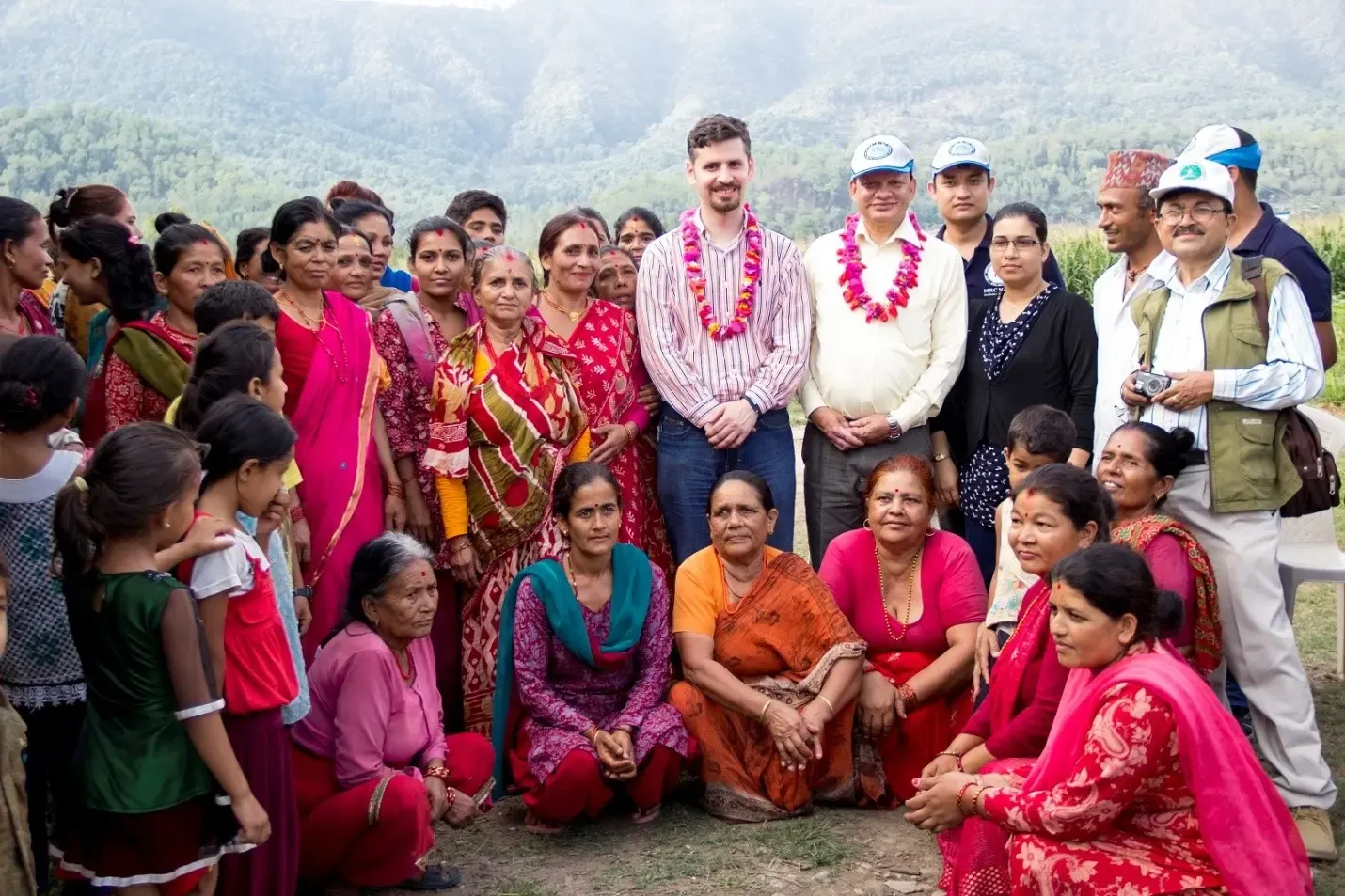
Spanning three central districts—Bara, Makwanpur, and Chitwan—the initiative pursued a singular but ambitious goal: enhancing rural livelihoods by introducing advanced farming technologies to unutilized, flood-affected marginal lands. To evaluate the tangible impacts of this intervention, an official OFID monitoring and evaluation mission, headed by Dr. Jaafar Al-Mahdi, conducted a localized field observation across the active district sites.
Witnessing Real Transformation
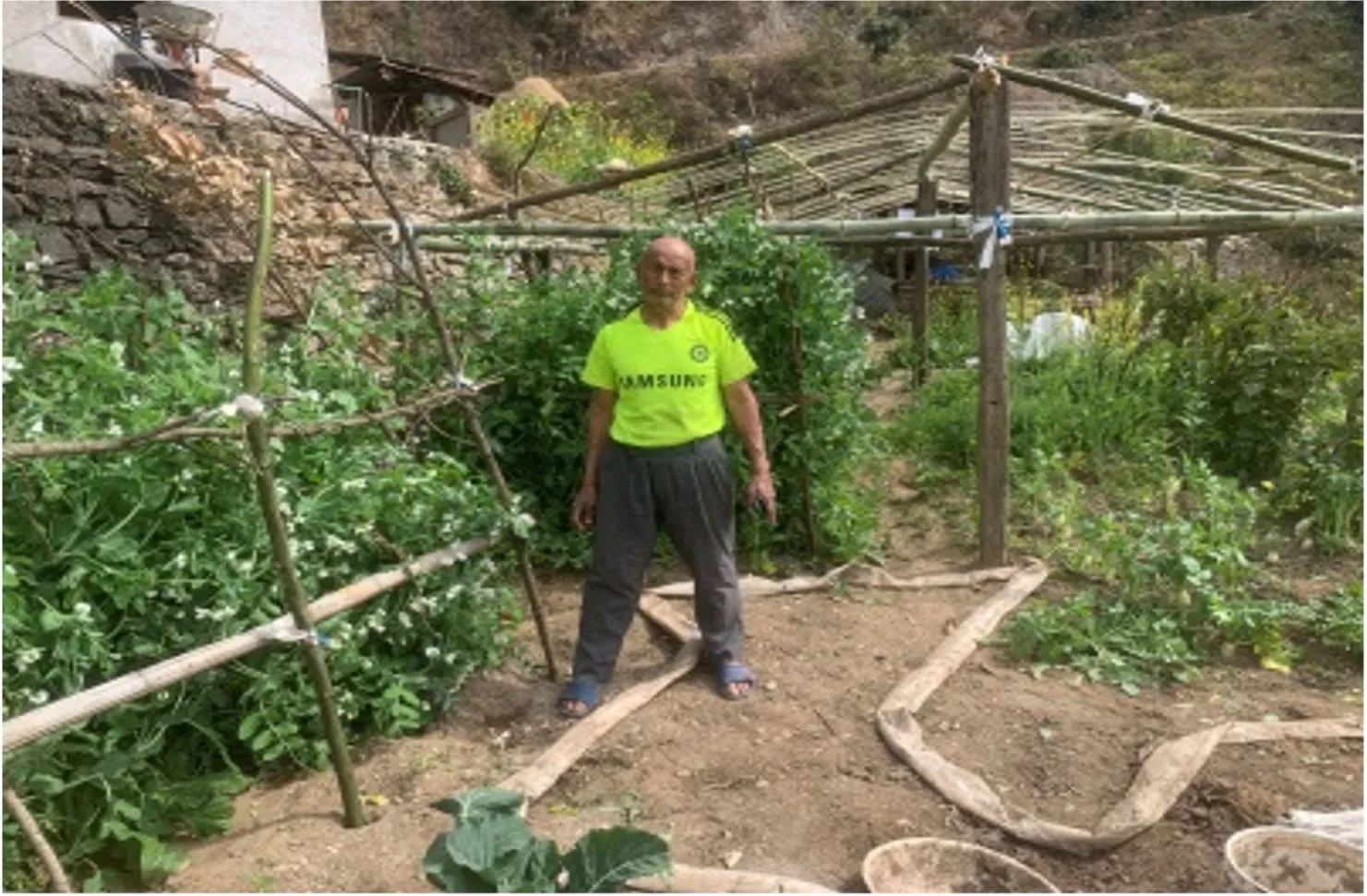
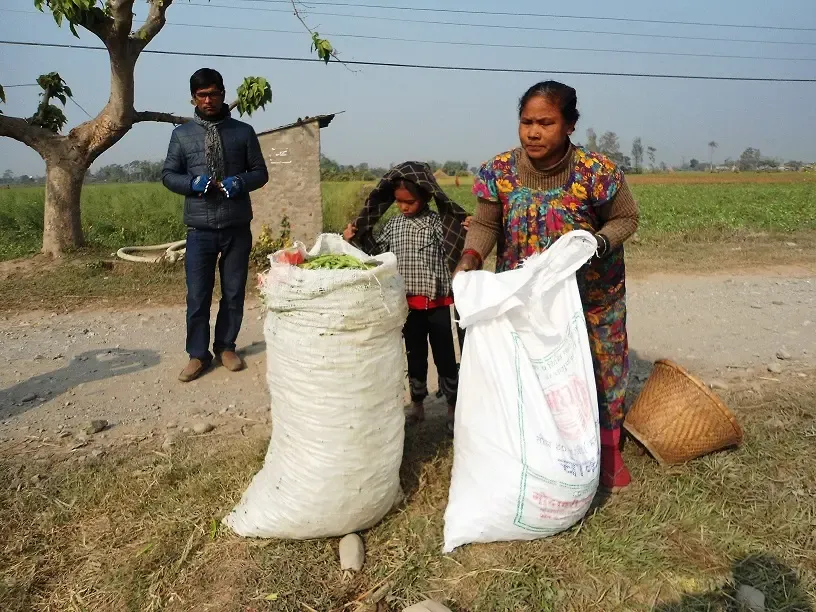
The core innovation that secured OFID’s backing was MRC Nepal’s strategic approach to revitalizing “wastelands.” The results observed by the mission were undeniable. In the riverbeds of Bara, previously barren land was now flourishing with over 31 hectares of pointed gourd and off-season vegetables. In Makwanpur, 20.5 hectares of formerly marginal fields were lush with rice, maize, and cucurbits.
During their tight schedule, which restricted physical visits primarily to the Haraiya VDC in Bara and Hadikhola in Makwanpur, the OFID delegates were deeply moved by the local farming community. The enthusiasm, gratitude, and tangible financial success expressed by the farmers painted a vivid picture of a project that had genuinely delivered on its promise of generating sustainable livelihoods.
“The OFID mission was overwhelmed by the profound excitement of the community. The field scenario clearly demonstrated that MRC Nepal is meaningfully contributing to sustainable income generation.”
Building Lasting Institutional Synergy
Beyond crop yields, the mission sought to understand the organizational stamina of the program. MRC Nepal orchestrated a strategic dialogue between the visiting delegates, local government authorities, and vital district stakeholders. The meeting highlighted a crucial success factor: MRC Nepal’s relentless commitment to institutional coordination.
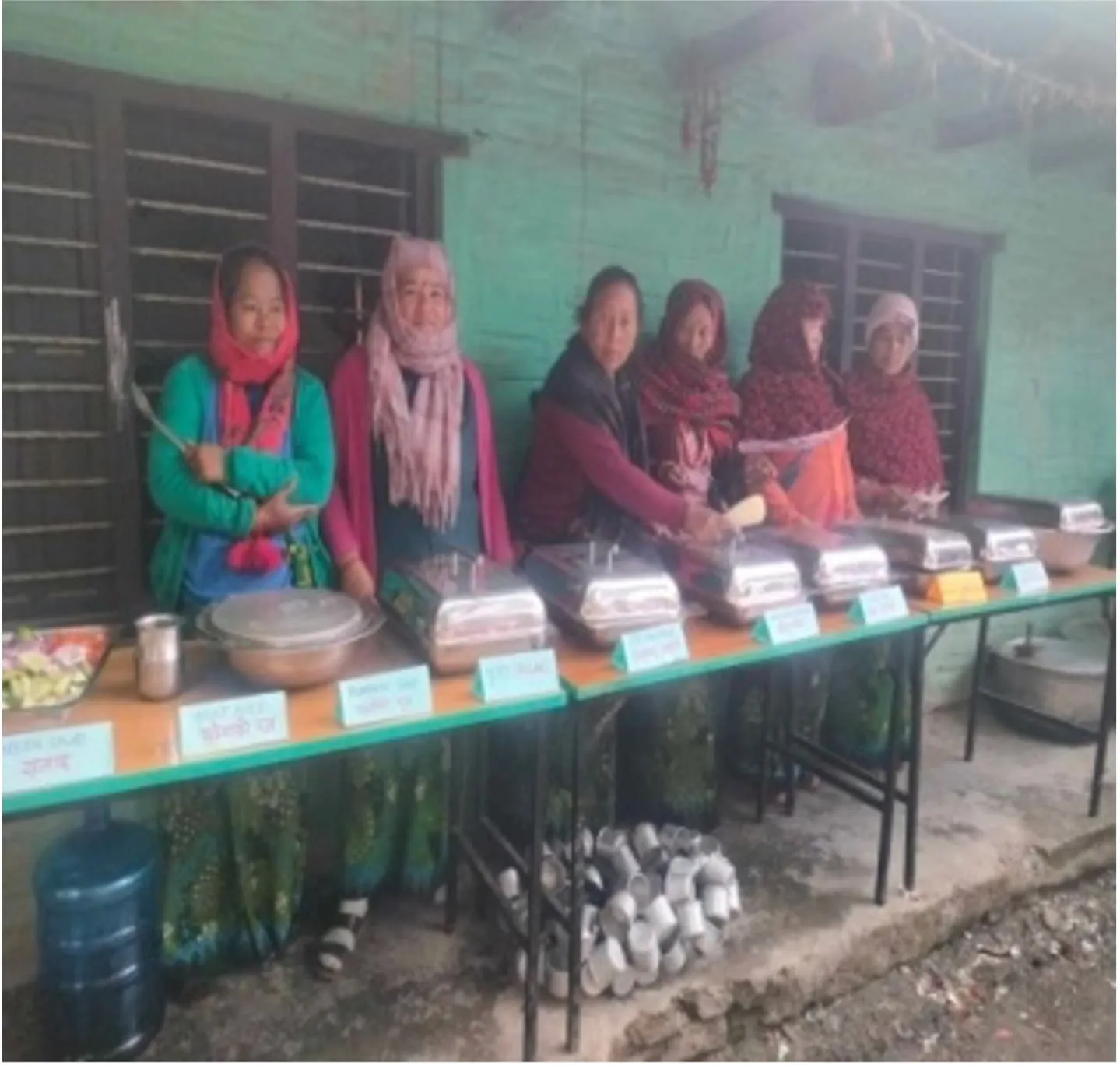
By actively engaging local health, agricultural, and civic agencies from the initial planning phases through daily implementation, MRC Nepal ensured deep-rooted technical support. Furthermore, they successfully registered local farming groups with governmental bodies, forging permanent linkages that guarantee the farmers will continue to receive state assistance and remain entirely self-reliant long after this specific project concludes.
It was immensely rewarding for the OFID team to confirm that participating farmers were systematically reinvesting their new farming income into their children’s education, family healthcare, and essential living standards. The pilot phase of this land-management initiative was undeniably a resounding success—and given the explosive demand from neighboring communities, it stands as a sustainable blueprint ready for nationwide replication.