For 44-year-old Nau Maya Gurung, a peasant farmer from the marginalized Gurung ethnic group in Gairibari, Chitwan, life was defined by limited opportunities. With no prior experience in agriculture, her primary means of generating income was brewing local liquor at home—a practice that was largely unappreciated and frowned upon by her community.
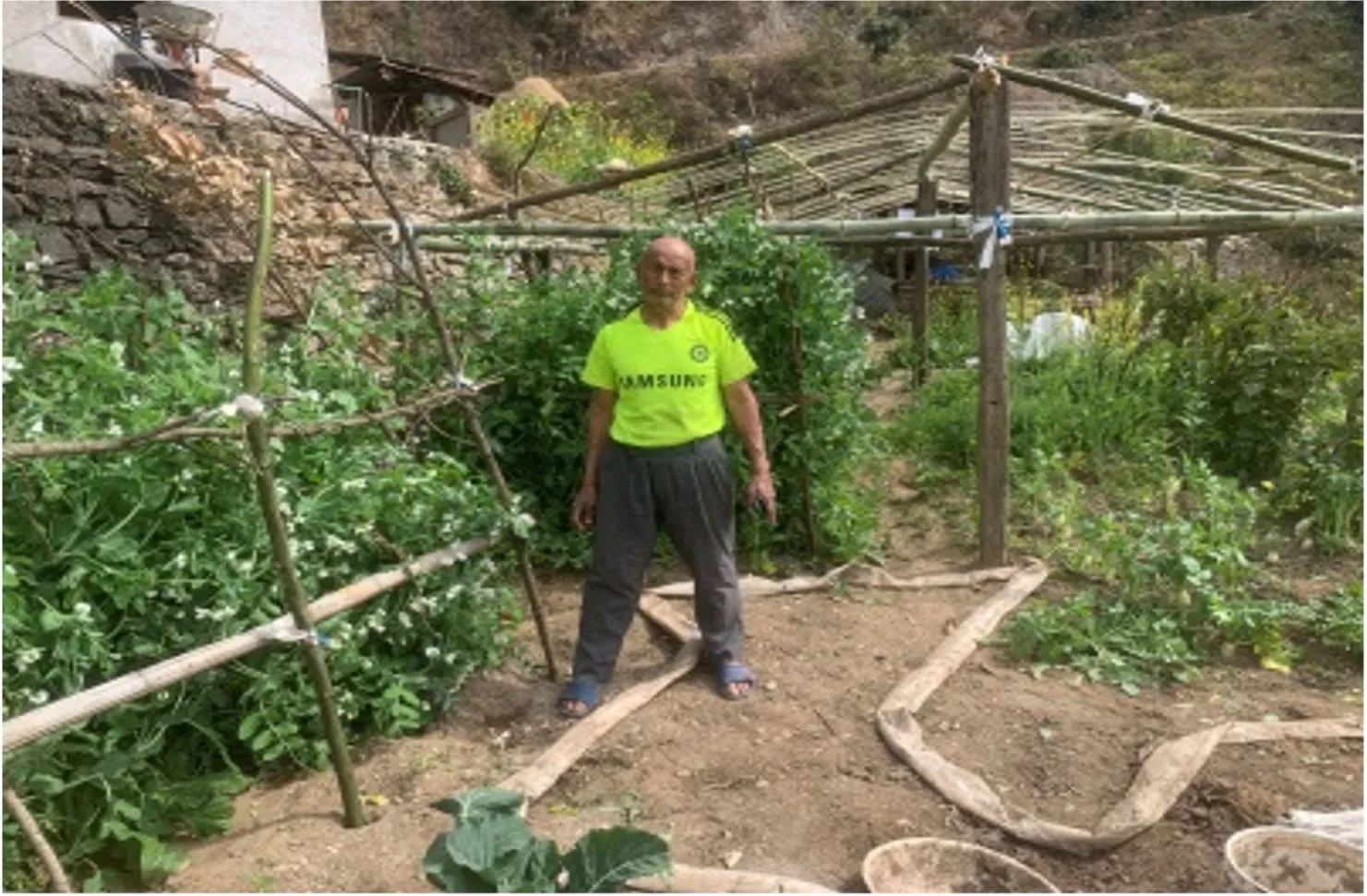
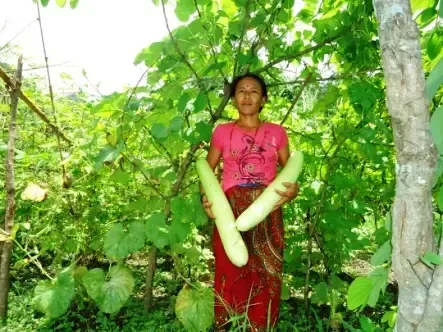
Her narrative began to shift dramatically in May 2012 when she joined a vegetable model farm initiative promoted by GIZ/STPP and MRC Nepal. Embracing the opportunity, she planted okra, cucumber, bottle gourd, tomato, and bitter gourd across a modest 500-square-meter plot. Within just three months, she was harvesting enough fresh, tender vegetables to fully sustain her own kitchen, while also earning a remarkable NPR 22,000 by November.
Encouraged by this initial success, Nau Maya boldly scaled up her operations, dedicating over 1,000 square meters to cultivate tomatoes, chilies, and cabbage.
A Community Role Model
By adopting early-winter production technologies, her second harvest—running from November through January—yielded an impressive NRs. 44,225 in sales alone. “This is marvelous for me,” she shared happily. “Not only am I meeting all my kitchen needs, but I am also ensuring my family has sufficient, nutritious food.”
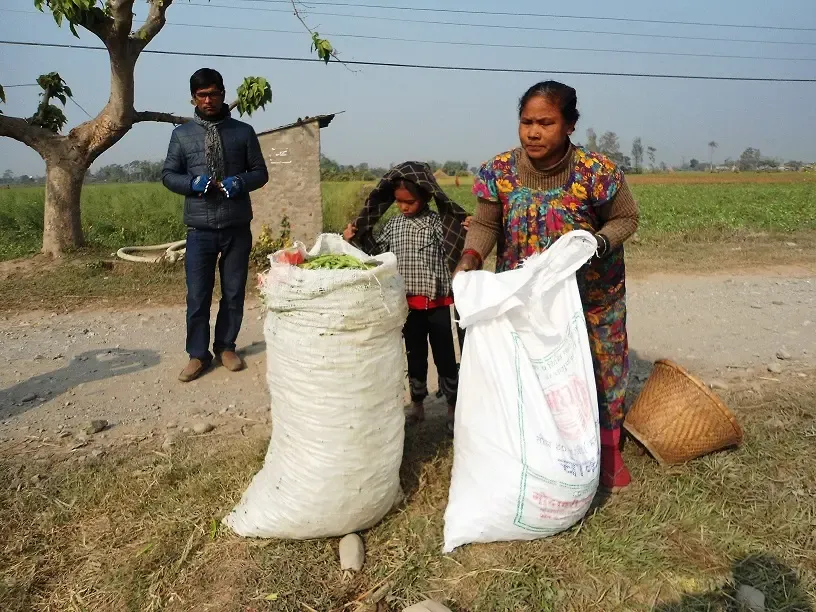
Nau Maya’s success quickly rippled outward. She began supplying her surplus green vegetables to neighbors. More profoundly, her husband—who had never previously engaged in farming—gladly joined her in the garden to support the flourishing enterprise. Together, they are now securing a vastly improved livelihood for their three daughters and one son.
However, the most symbolic change in Nau Maya’s life lies in her approach to plant protection. She now intensively uses Jeevatu and Geetimal (organic biopesticides).
With a proud smile, she remarked, “My local liquor-making drum has been completely converted into a Geetimal-making drum!”
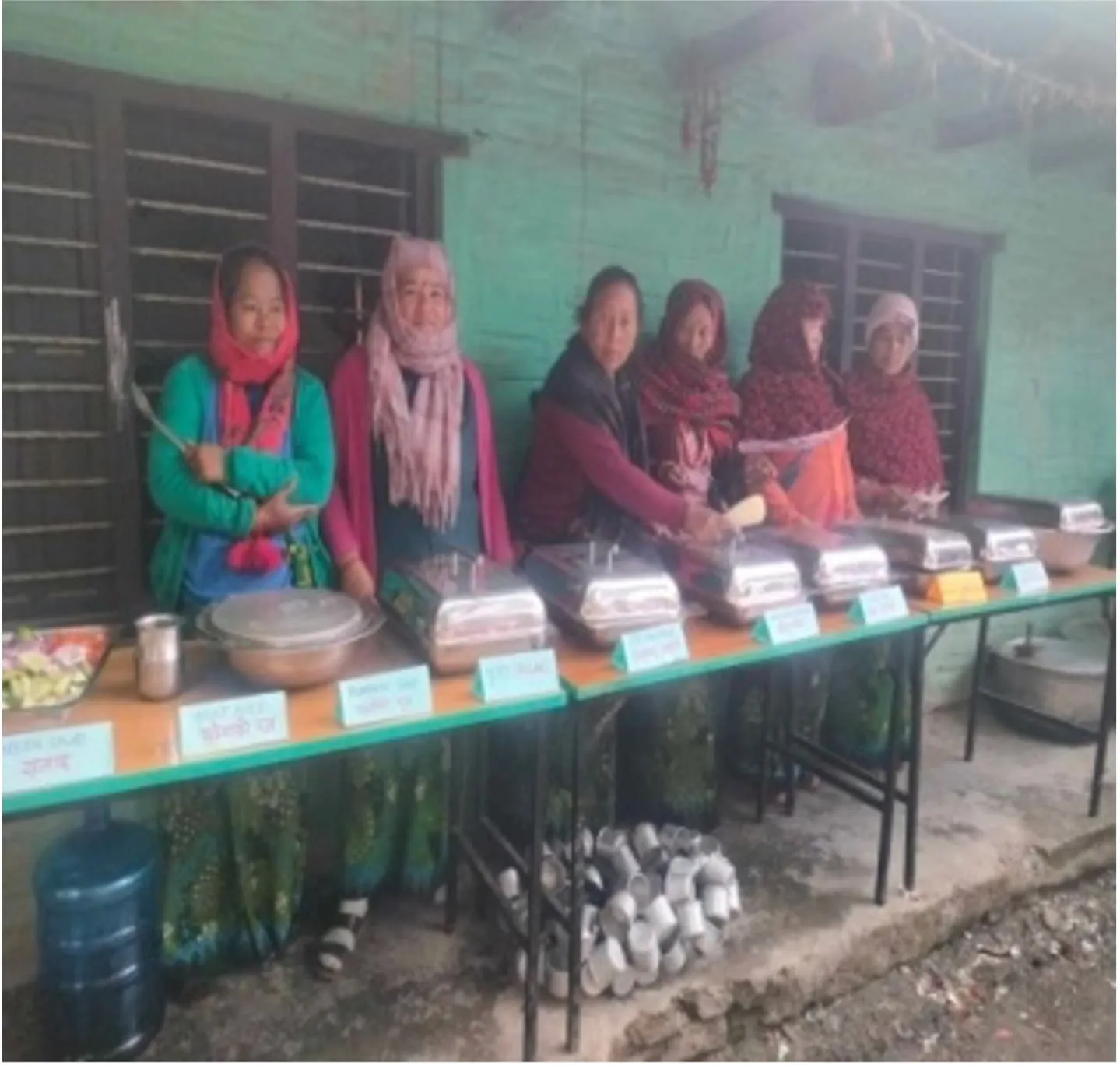
In the Gurung community, local liquor production has historically been prevalent, but Nau Maya’s success is shifting local paradigms. Her journey from a marginalized brewer to a respected, affluent organic farmer has inspired her entire community to explore commercial vegetable farming. Today, Nau Maya stands as a committed community leader, dedicated to expanding commercial vegetable farming and sharing her knowledge with all her neighbors.